



Train Stations With Stories
There are places that millions of people pass through every day without imagining everything that has happened within their walls. Train stations are far more than points of departure and arrival. Some train stations with stories have transformed entire cities. Others have witnessed moments that changed the course of history. And many have become symbols of progress, architecture, and railway identity in their countries.
In this journey, we will explore some of the world’s most historic railway stations, discovering how rail transport transformed cities, connected cultures, and left an enduring mark on collective memory.
One of the Most Remarkable Historic Train Stations: Canfranc, Huesca
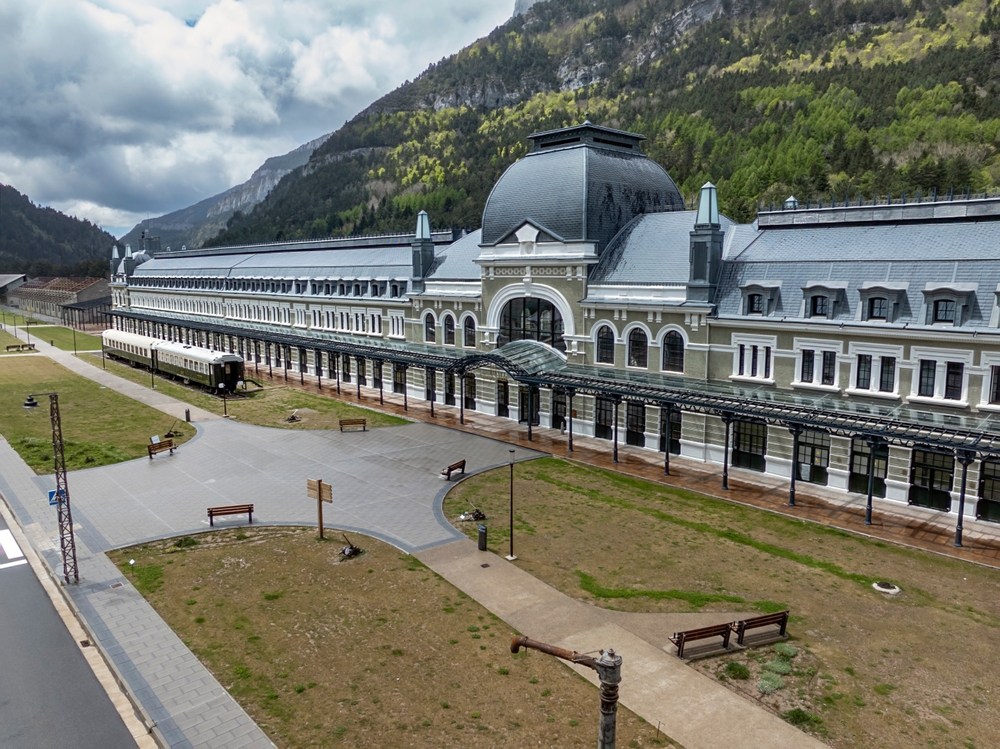
When it opened in 1928, Canfranc was the second-largest railway station in Europe: 241 metres long, 365 windows, and platforms serving two countries.
Nicknamed the “Titanic of the Pyrenees” because of its monumental scale, Canfranc played a unique role during the Second World War. It became the only Spanish municipality occupied by the SS and the Gestapo, who were based in the station hotel. Spain was not officially at war, but Franco maintained a debt to Hitler for the support received during the Spanish Civil War.
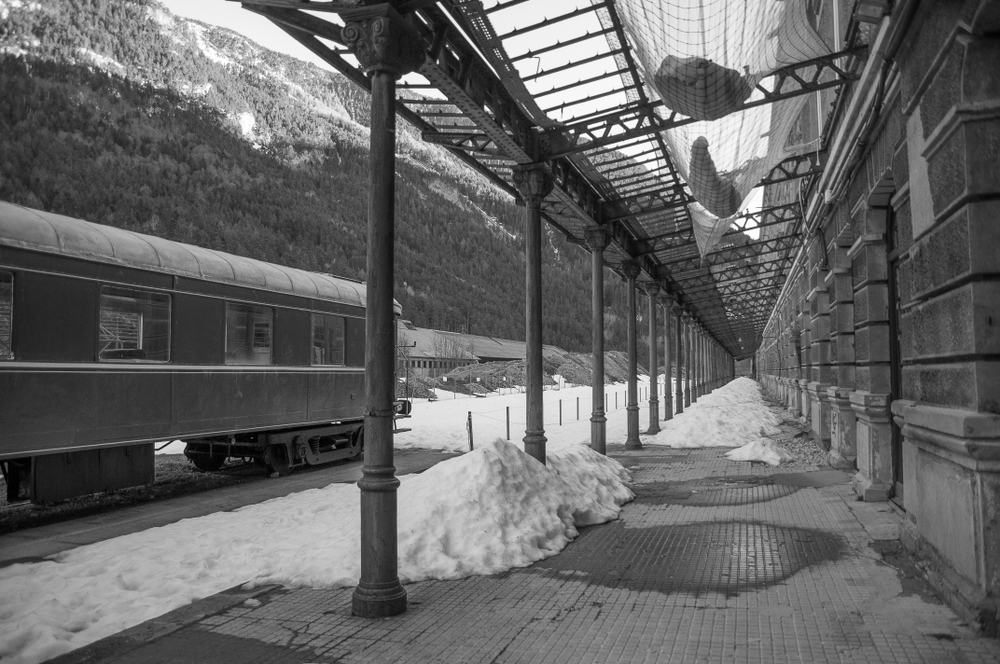
In 2000, a bus driver accidentally discovered a collection of forgotten documents in the station’s former customs office. They revealed that between June 1942 and December 1943, 86.6 tonnes of gold—looted from Jews murdered in occupied territories—crossed the border through Canfranc. At the same time, between 1940 and 1942, thousands of Jewish refugees passed through the station on their way to Lisbon and then to the Americas. Among them were artists such as Marc Chagall, Max Ernst, and Josephine Baker.
The station closed in 1970 following an accident on the French side of the line. It remained abandoned for decades until reopening in January 2023 as a hotel operated by the Barceló Group. Beneath its tunnels, an astrophysics laboratory has been operating since 1985.
Grand Central Terminal, New York
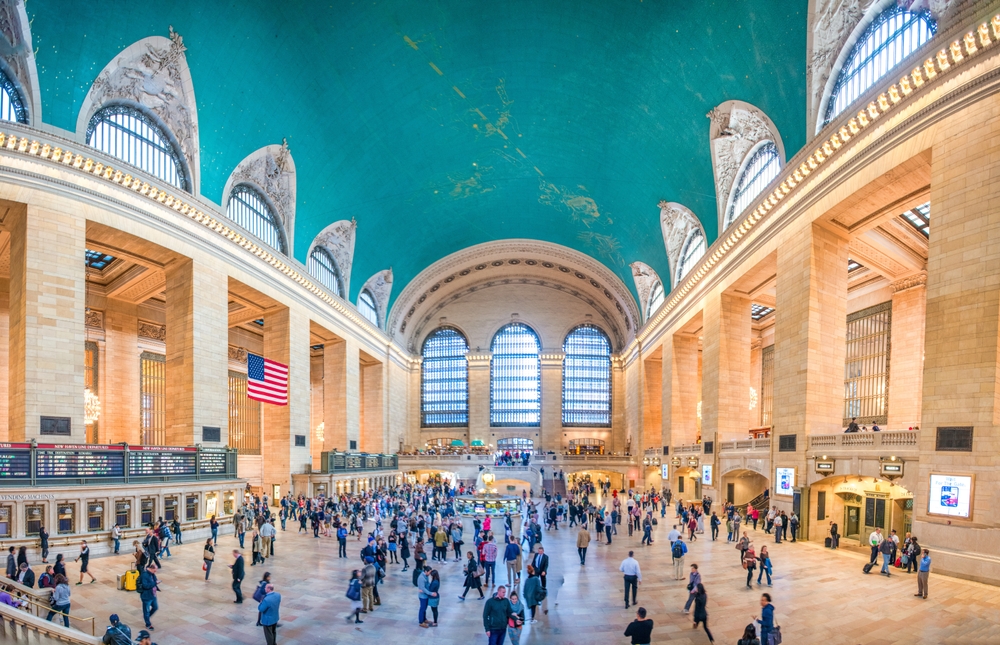
Grand Central is not just a station—it is an entire hidden world beneath Manhattan. At first glance, it impresses visitors with its scale and iconic Main Concourse, but its most fascinating features are often the ones that go unnoticed.
One of the most curious spots is the famous Whispering Gallery near the Oyster Bar. If two people stand at opposite corners and whisper toward the wall, the sound travels perfectly through the vaulted ceiling and can be heard on the other side. It is an unexpected acoustic phenomenon that turns an ordinary corner into a scientific curiosity.
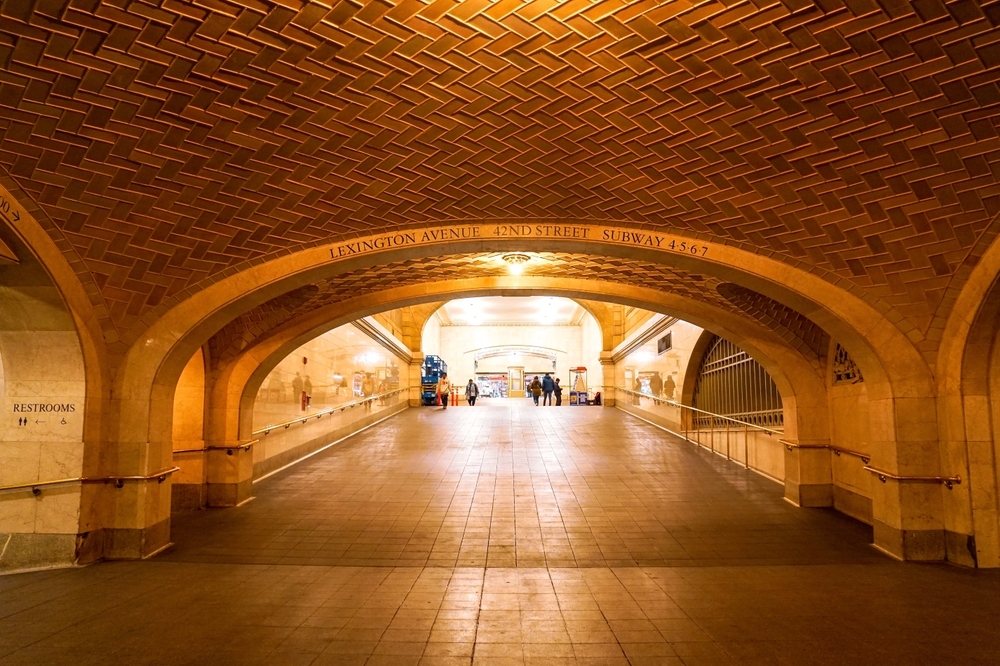
Beneath the station lies another secret: Track 61, a hidden railway platform once used by President Franklin D. Roosevelt to enter and leave the station discreetly via nearby hotels.
Looking up at the ceiling of the Main Concourse reveals another detail. Among the painted constellations is a dark patch that was intentionally left untouched during restoration. It serves as a reminder of how decades of cigarette smoke once darkened the station.
The oak leaves and acorns found throughout the station are also symbolic. They reference the Vanderbilt family motto: “Great oaks from little acorns grow,” leaving a permanent signature throughout the building.
And perhaps most surprisingly, Grand Central even houses a private tennis court—one of New York City’s most unexpected and exclusive hidden spaces.
Grand Central is a place best explored not only by walking through it, but by looking up, looking around, and sometimes listening carefully to what the station still whispers.
St Pancras International, London
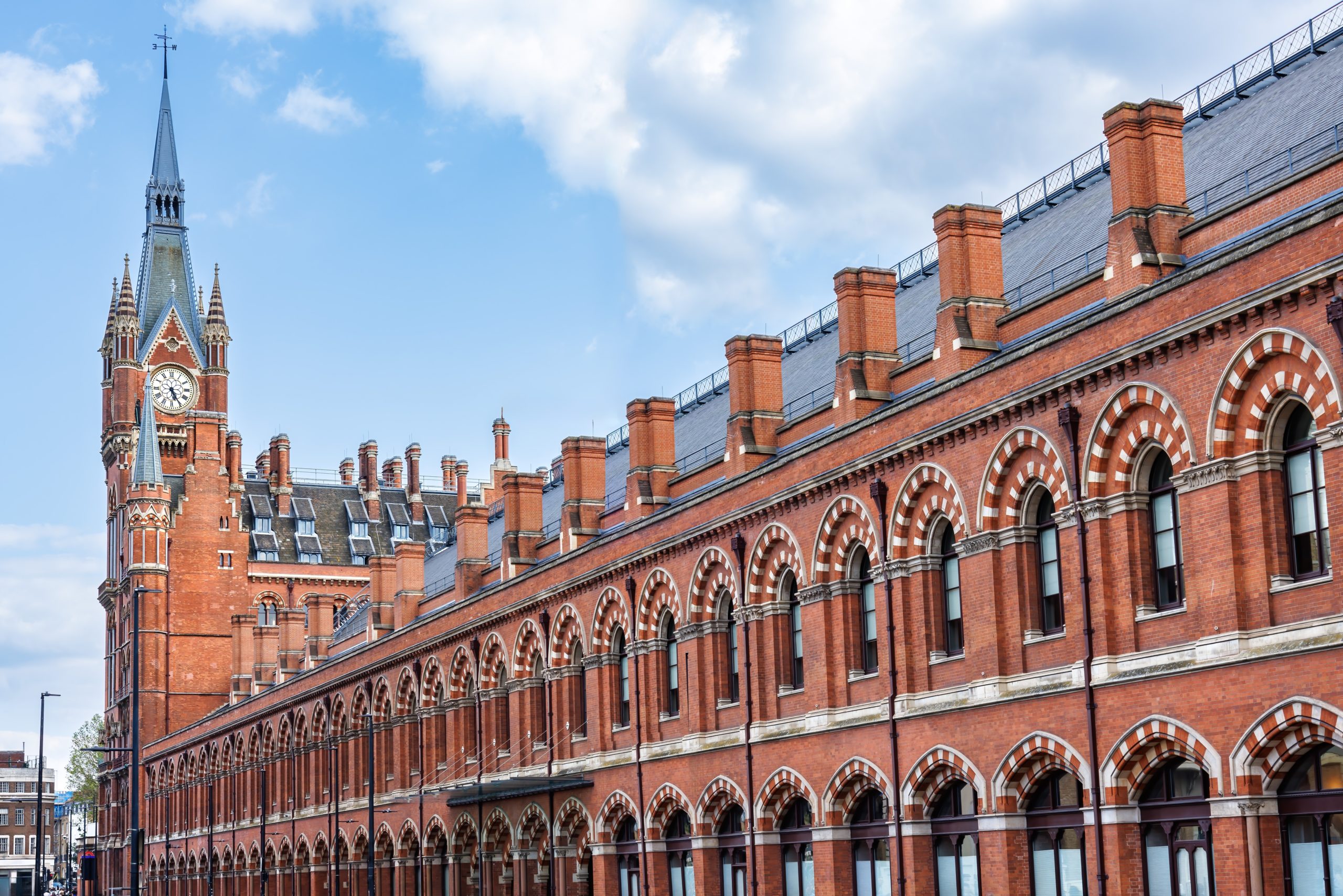
When St Pancras opened in 1868, it was the largest iron-and-glass structure in the world. A century later, it faced several demolition proposals.
The station was saved by a public campaign led in part by poet John Betjeman, who championed it as one of Britain’s architectural masterpieces.
Following a major restoration project, St Pancras reopened in 2007 as the London terminus for Eurostar services. The station once destined for demolition became one of the most important gateways between Great Britain and continental Europe.
Chhatrapati Shivaji Maharaj Terminus, Mumbai
Opened in 1887 as Victoria Terminus to commemorate Queen Victoria’s Golden Jubilee, the station served a broader purpose: visually representing British colonial power in India.
Its domes, towers, stained-glass windows, and unique blend of Victorian Gothic Revival and traditional Indian architectural elements created a building unlike any other.
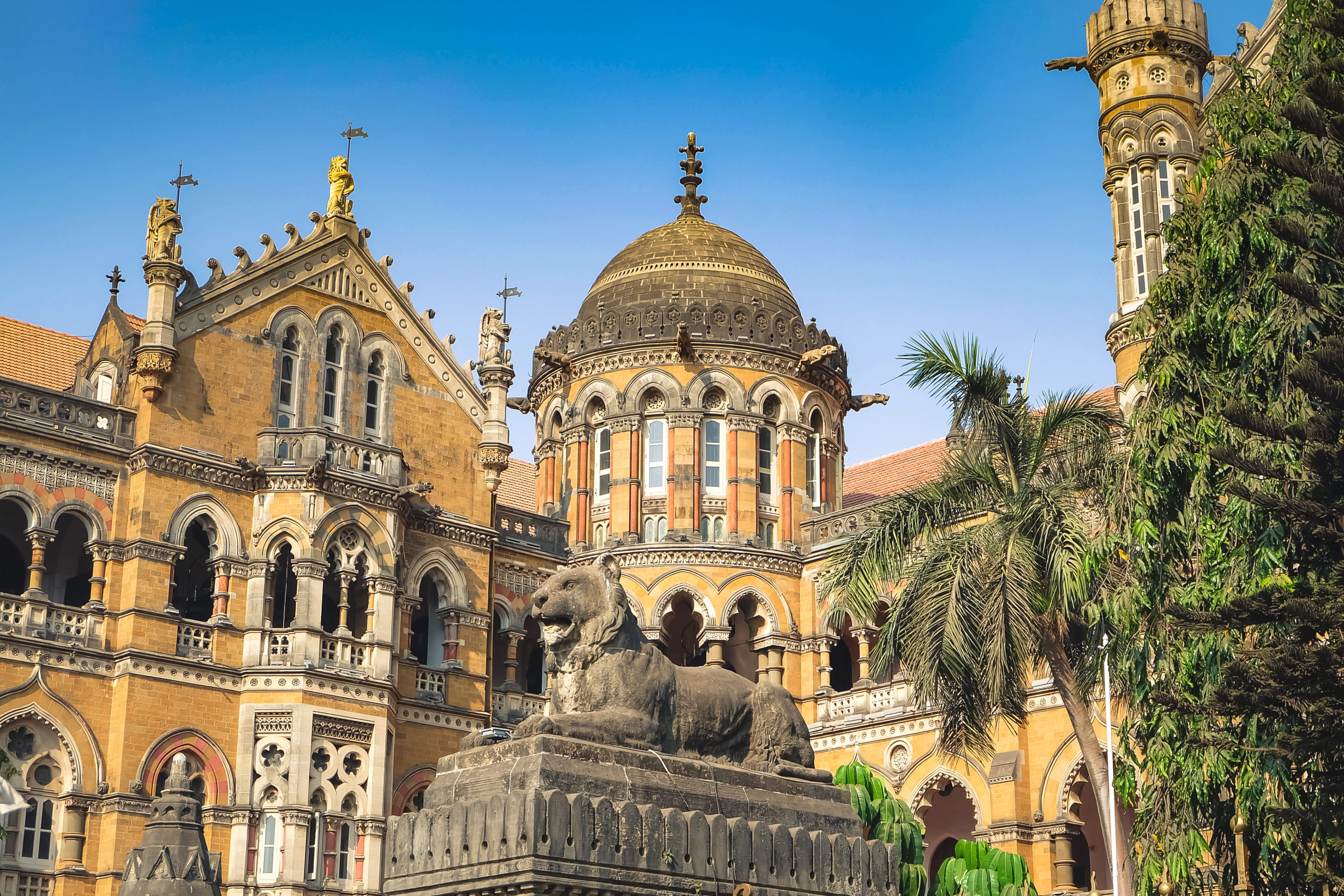
The terminal quickly became India’s primary railway hub, linking Mumbai with the country’s interior and helping transform the city into one of Asia’s most important economic centres.
Today, it remains one of the busiest railway stations in the world, serving millions of passengers every day.
The building also reflects India’s political transformation. After independence, it was renamed from Victoria Terminus to Chhatrapati Shivaji Terminus in honour of the Maratha warrior king Shivaji. In 2004, it was designated a UNESCO World Heritage Site.
Atocha, Madrid: Where Trains Became a Garden
Atocha is Madrid’s largest railway station and one of the most distinctive in the world.
Its origins date back to 1851, although the station was rebuilt after a fire in 1892 and underwent a major renovation in 1992 led by architect Rafael Moneo.
The most remarkable feature of the renovation was the transformation of the former train shed. Rather than demolishing it, Moneo converted it into a vast tropical garden beneath the station’s nineteenth-century iron-and-glass structure.
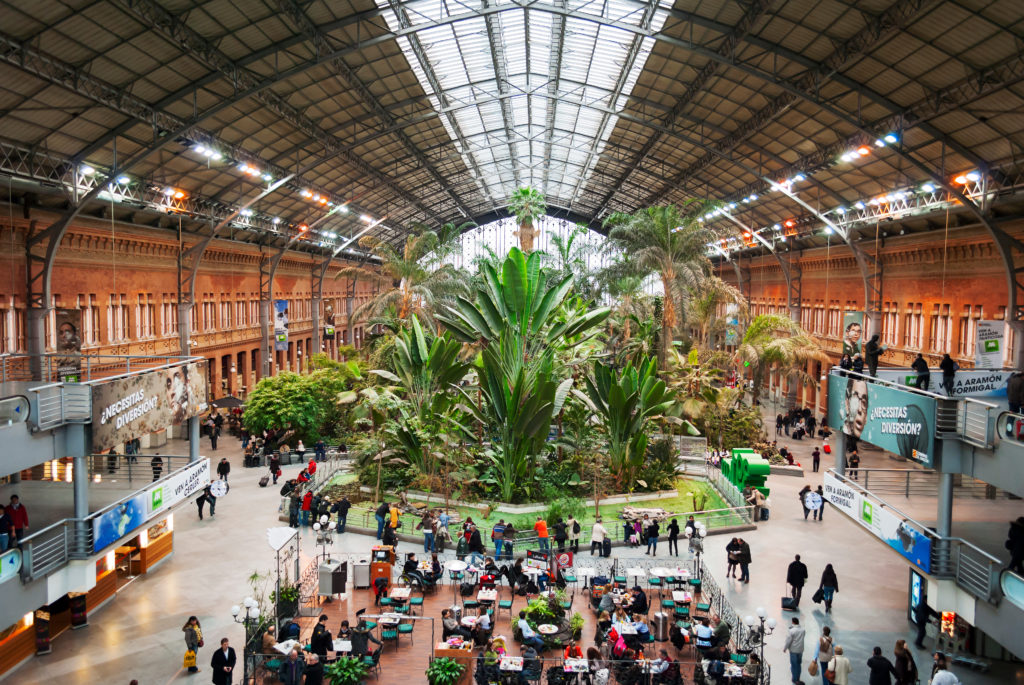
Today, the garden contains more than 7,000 plants from around 260 tropical species originating from the Americas, Asia, and Australia, including palm trees that reach the roof of the building. A pond housing 22 species of fish and turtles completes the landscape. Interestingly, the turtles were not sourced from zoos or breeding centres; they were rescued from rivers and streams around Madrid.
At the opposite end of the station stands the memorial to the victims of the 11 March 2004 terrorist attacks. A total of 193 points of light in the ceiling represent each person who lost their life when ten bombs exploded on four commuter trains heading towards Atocha, killing 193 people and injuring more than 1,800.
(The tropical garden at Madrid-Puerta de Atocha-Almudena Grandes is currently closed as part of a major station redevelopment project and is expected to reopen once the works are completed.)
Berlin Friedrichstraße
During the Cold War, few stations symbolised the division of Europe more clearly than Friedrichstraße Station in Berlin.
Although located in East Berlin, it served as one of the main crossing points between East and West Germany. Every day, thousands of people passed through its border controls surrounded by soldiers, passports, surveillance, and suspicion.
For many, however, Friedrichstraße became a place of painful farewells.
Within the station stood a building known as the Tränenpalast—the “Palace of Tears.” Here, relatives from West Berlin said goodbye to loved ones returning to the East, often without knowing when they would meet again.
The station also became a focal point for espionage. Double agents, informants, escape attempts, and constant surveillance formed part of daily life in a station that functioned as a crack running through the divided city.
After the fall of the Berlin Wall in 1989, the former Palace of Tears was preserved as a memorial.
More Than Stations
All of these train stations with stories share something in common: millions of human stories passed through them long before they became monuments.
Perhaps that is why great stations continue to fascinate us. Even today, surrounded by digital displays and high-speed trains, they still preserve something of the past.
They remain places where architecture, memory, and movement meet every single day.